

Home » B.Tech in Electrical & Electronics Engineering (EEE)
B.Tech in Electrical & Electronics Engineering (EEE)
- Last Updated: October 2026
B.Tech in Electrical & Electronics Engineering (EEE) for Working Professionals is a 3-year..
500+ Working Professionals Enrolled
UGC Approved Universities
100% Placement Assistance
Evening & Weekend Classes
About Program
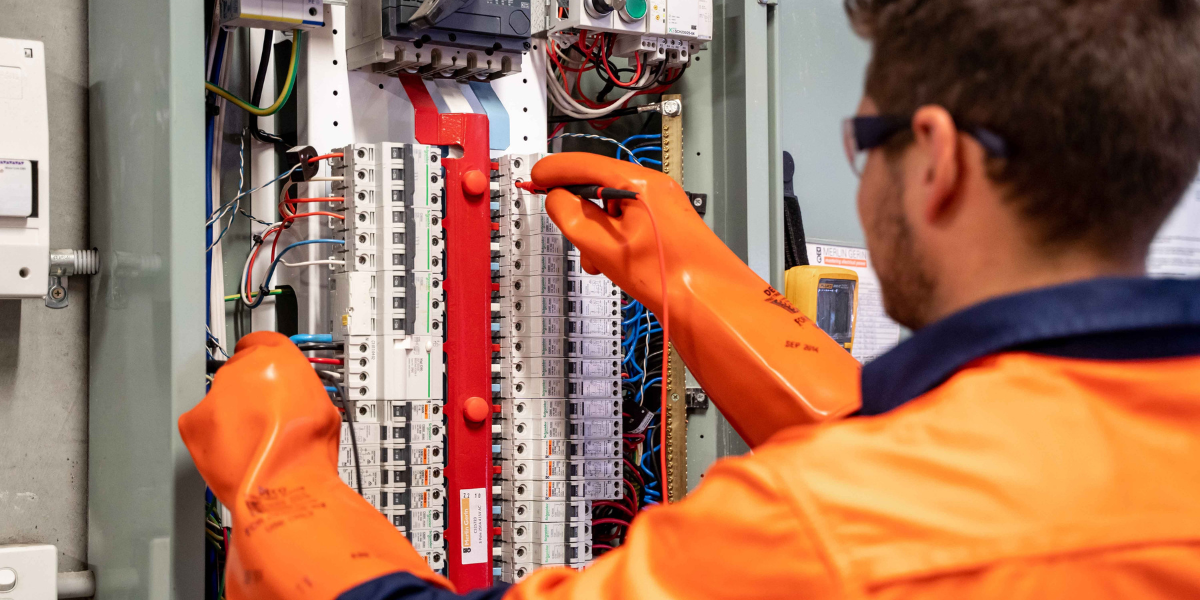
Tech in Electrical & Electronics Engineering (EEE) for Working Professionals is a 3-year undergraduate engineering program offered through LearnX Learning in association with HRIT University. The program focuses on electrical systems, electronic circuits, power generation and distribution, electrical machines, control systems and industrial automation. It also covers modern areas such as renewable energy, embedded systems, electric vehicles and power electronics, helping learners build technical skills for opportunities across power, manufacturing, automation, electronics and energy sectors.
Who Is This Course For?
The B.Tech in Electrical and Electronics Engineering program may be suitable for:
Students interested in electrical systems and power engineering
Aspiring electrical design and maintenance engineers
Students interested in electronics and industrial automation
Individuals planning careers in power generation and distribution
Diploma holders exploring eligible lateral-entry opportunities
Individuals planning careers in power generation and distribution
| Degree | Specialisation | Duration | Eligibility | Semester Fee |
|---|---|---|---|---|
| B.Tech | Electrical & Electronics Engineering | 3 Years | General Category: 45% Reserved Category: 40% | ₹42,500/- |
- Course Name: B.Tech in Electrical & Electronics Engineering for Working Professionals
- Course Level: Undergraduate (Lateral Entry)
- Duration: 3 Years / 6 Semesters (Lateral Entry — starts from Semester III)
- Eligibility: General Category — 45% | Reserved Category — 40%
- Eligibility Note: Same 45%/40% pattern applies to all five branches, unless the concerned university specifies any additional branch-specific requirement
- Registration Fee: ₹2,500 (One Time)
- Semester Fee: ₹42,500 per Semester (same for all 5 branches)
- Examination Fee: ₹2,000 per Semester
- Admission Session: 2026–2027
- Last Date to Apply: 15 October 2026
- Learning Mode: Hybrid Mode, evening batches (6 PM – 9 PM)
- Study Materials: Notes shared via LMS and group
- Assessment: Semester-wise examinations
- Accreditation: UGC Approved — HRIT University
- Flexibility: Ideal for diploma holders and working professionals
The B.Tech in Electrical and Electronics Engineering program is designed for students interested in electrical systems, electronic technologies, power generation, and industrial applications.
Students managing academic studies alongside other responsibilities should review the available timetable, attendance requirements, laboratory sessions, and examination schedule. Flexible arrangements, where available, remain subject to academic and university regulations.
The published fee structure is as follows:
| Fee Component | Amount |
|---|---|
| Registration Fee (One-Time) | ₹2,500 |
| Tuition Fee (Per Semester) | ₹42,500 |
| Examination Fee (Per Semester) | ₹2,000 |
The total payable amount and applicable charges should be confirmed during admission. Additional charges, if applicable, may depend on the university’s current fee policy.
Interested in this program? Get a Free Call Back
Why This Course For Working Professionals?
- Upgrade your electrical and electronics engineering knowledge while continuing your professional career.
- Build expertise in power systems, electrical machines, electronics, automation and control systems.
- Develop industry-relevant technical skills for opportunities in energy, manufacturing, automation and EV sectors.
- Strengthen your academic qualification and prepare for career growth in electrical and engineering roles.
What Our Students Say

What Will I Learn?
The program develops knowledge of electrical circuits, power systems, electrical machines, electronics,
and control technologies. Students will learn about:
- Electrical circuit analysis
- Electrical and electronic measurements
- Electrical machines and transformers
- Power generation and distribution
- Power electronics
- Control systems
- Digital electronics
- Analog electronics
- Electrical installations and safety
- Renewable energy systems
- Electrical drives
- Industrial automation fundamentals
- Electrical system design and testing
Program Curriculum
The curriculum is structured to build from foundational principles to advanced industrial applications.
- Engineering Mathematics
- Engineering Physics
- Engineering Chemistry
- Engineering Graphics
- Basic Electrical & Electronics Engineering
- Computer Programming
- Electrical Circuit Theory
- Practical / Laboratory Training
- Engineering Mathematics
- Engineering Physics
- Engineering Chemistry
- Engineering Graphics
- Basic Electrical & Electronics Engineering
- Computer Programming
- Electrical Circuit Theory
- Practical / Laboratory Training
- Industrial Automation
- Renewable Energy Systems
- Embedded Systems
- Electrical Drives
- Smart Grid & Energy Management
- Electric Vehicle Technology
- High Voltage Engineering
- Project Work / Practical Training
Detailed Syllabus
The curriculum begins with foundational engineering subjects and progresses to specialised electrical
and electronics concepts.
Year 1
Year 2
- Engineering Mathematics
- Applied Physics
- Applied Chemistry
- Basic Electrical Engineering
- Engineering Graphics
- Communication Skills
- Programming Fundamentals
- Engineering Laboratory Work
- Electrical Circuit Theory
- Electrical Machines
- Analog Electronics
- Digital Electronics
- Electrical Measurements
- Electromagnetic Field Theory
- Network Analysis
Year 3
Year 4
- Power Systems
- Control Systems
- Power Electronics
- Electrical Drives
- Microprocessors
- Electrical Machine Design
- Power System Protection
- Renewable Energy Systems
- Industrial Automation
- Advanced Power Electronics
- Power System Analysis
- Specialised Electives
- Final-Year Project
The subjects and semester-wise course structure are subject to the university’s approved curriculum.
- Download Complete Syllabus PDF
Flexible Learning (How it fits your job)
Electrical and Electronics Engineering provides a technical foundation relevant to power generation, manufacturing, electrical maintenance, automation, and energy systems.
Students who are working should confirm the availability of flexible academic arrangements and review all laboratory, attendance, practical, and examination requirements before admission.
LearnX Learning provides admission guidance to help students understand program expectations and plan their studies around their responsibilities.
Your Career: Before vs After
| Before Completing B.Tech | After Completing B.Tech |
|---|---|
Limited formal education in electrical engineering | Opportunity to apply for graduate-level electrical engineering roles |
| Basic understanding of electrical systems | Broader knowledge of electrical circuits, machines, and power systems |
| Limited exposure to electronics and control systems | Understanding of electronics, control technologies, and electrical applications |
| Entry-level technical responsibilities | Potential to pursue electrical design, testing, and maintenance roles |
| Limited exposure to power system planning | Opportunities to explore power generation, distribution, and renewable energy sectors |
| Fewer pathways to advanced technical study | Opportunities to pursue relevant postgraduate education, subject to eligibility |
Career Opportunities & Job Roles
List of job roles this branch leads to — Job Roles / Career Opportunities:
- Career Opportunities
- Electrical Engineer
- Electrical Design Engineer
- Power Systems Engineer
- Power Electronics Engineer
- Control Systems Engineer
- Automation Engineer
- Electrical Maintenance Engineer
- Embedded Systems Engineer
- Renewable Energy Engineer
- EV Engineer
- Top hiring sectors
- Software Product & Technology Companies
- Artificial Intelligence & Machine Learning
- Data Analytics & Data Science
- Cloud Computing & IT Infrastructure
- Cybersecurity
- FinTech & Banking Technology
- E-Commerce & Online Services
- Telecom & Networking
- HealthTech & EdTech
Note: These salary ranges are indicative and not guaranteed. Actual salary may vary depending on the employer, location, technical skills, experience, academic performance and industry.
Eligibility Criteria
For admission to the first year, applicants must meet either of the following requirements:
• Successful completion of a Diploma programme.
• Successful completion of a B.Sc. degree in PCM.
• The required minimum aggregate marks under the applicable admission criteria.
Diploma vs. Regular B.Tech
| Diploma in Electrical Engineering | B.Tech in Electrical and Electronics Engineering |
|---|---|
| Focuses on foundational electrical and practical technical skills | Provides broader knowledge of electrical and electronics engineering |
| Usually has a shorter duration | Typically has a four-year duration for entry after Class 12 |
| Can support technician and junior technical roles | Can provide eligibility for a wider range of graduate engineering positions |
| Covers basic circuits, machines, and electrical installations | Covers advanced electrical systems, power electronics, control systems, and power generation |
| May provide a pathway to eligible lateral entry | Can support progression to relevant postgraduate programs |
The appropriate pathway depends on your existing qualifications, career objectives, and admission eligibility.
Why Choose LearnX?
- Flexible learning approach designed to support working professionals.
- Tech program offered in association with HRIT University.
- Industry-focused curriculum covering core and emerging areas of Electrical & Electronics Engineering.
- Academic guidance and learner support throughout the program.
Step-by-Step Admission Process
Apply Online
Start by filling out the online application form with your basic details.
Connect with Us
A representative will guide you through eligibility and queries.
Submit Documents
Provide essential documents (ID, marksheets, proof of employment).
Start Learning
Pay initial fees and receive instant access to your LMS.
- How to Apply: Step-by-Step Guide
1. Submit an enquiry through the LearnX Learning website.
2. Speak with the counselling team about the Electrical and Electronics Engineering program.
3. Check your eligibility under the current admission requirements.
4. Review the course structure, fee details, academic schedule, and laboratory requirements.
5. Prepare the necessary academic records and identity documents.
6. Complete the university application and admission formalities.
7. Follow the instructions for document verification, fee payment, and academic commencement.
- Need Help?
If you are unsure about your eligibility or missing a document, don’t worry! Fill out the basic enquiry form, and our counselor will assist you with alternative solutions.
B.Tech in Electrical and Electronics Engineering for Working Professionals – FAQs
Candidates who have completed the required 10+2 qualification with relevant subjects and meet the admission criteria of the respective university can apply. Working professionals with relevant academic or technical backgrounds may also be eligible, subject to university guidelines.
The total B.Tech Electrical and Electronics Engineering fee depends on the university, admission route, and applicable academic structure. For the latest fee details, students can contact LearnX Learning for the current fee structure and available payment options.
Yes, eligible students may have the option to pay B.Tech EEE fees semester-wise or through available EMI/payment plans, depending on the university’s fee structure and applicable terms.
The validity and recognition of a B.Tech degree depend on the university and the approved mode of delivery for the programme. LearnX Learning provides admission guidance for programmes offered through its associated university. Students should verify the applicable recognition and approval details before admission.
The B.Tech Electrical and Electronics Engineering programme is designed to support working professionals, with learning schedules that may include flexible, evening, or weekend sessions depending on the university and programme structure.
Where recorded learning support is provided, students can access recorded lectures and study materials to continue their B.Tech EEE preparation if they are unable to attend a live session. Availability depends on the university and programme structure.
Campus visits for B.Tech Electrical and Electronics Engineering practical labs, examinations, or other academic requirements depend on the university’s programme structure. LearnX Learning provides students with relevant information regarding campus requirements during the admission process.
Acceptance of a B.Tech EEE degree by employers depends on the employer’s recruitment criteria, job role, and applicable qualification requirements. Students should check the specific eligibility criteria of the company or position they wish to apply for.
Yes, a flexible learning structure can make it easier for working professionals to continue their B.Tech EEE studies after relocating. However, any mandatory practical sessions, examinations, or campus requirements will be subject to the university’s rules.
The B.Tech EEE curriculum may include topics related to renewable energy, solar power, power systems, energy management, and other emerging energy technologies, depending on the university’s prescribed syllabus.
Related Professional Diplomas
Ready to Advance Your Career?
Join thousands of working professionals who have upgraded their skills and salary with LearnX without quitting their jobs.
Visit Our Campus
Learnx Learning LLP
S-03, Second Floor, A-18, Sector 59, Noida, Gautam Budha Nagar, Uttar Pradesh – 201301
Enquire Now
Kindly get in touch!
- +91 97739 90133
- info@learnxlearning.com